
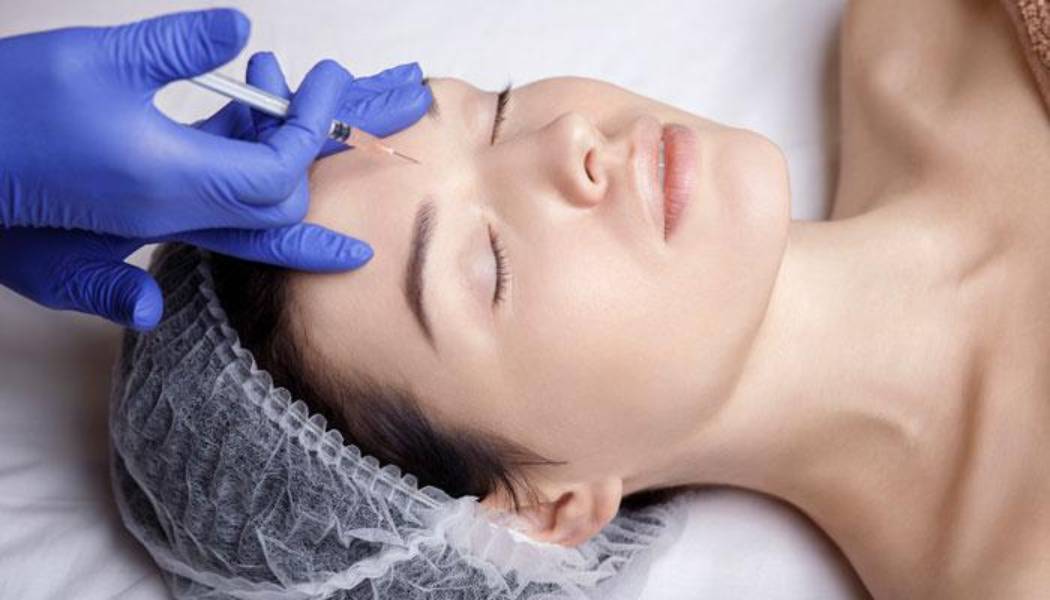
Botox Treatment: There have been many changes in medicine, fashion, and other industries over the years. Despite all of the changes we’ve seen in the world, some things have remained consistent.
One cosmetic treatment that has been use successfully for years is that of Botox. Botox came on the scene in the late 1980’s and never went away.
In this article, we will highlight why Botox has remained an effective treatment for so many years and why it might be the treatment you need in your life.
For those looking to refresh their appearance, facial rejuvenation treatments may offer different approaches to improving the look and texture of the skin.
What is the Science Behind Botox?
Botox is made through the process of extracting a protein from the Botulinum toxin. This protein, when injected into an area of tight muscles, can cause these muscles and the nerves that supply them to relax. This relaxation, in turn, causes the skin overlying these muscles to appear wrinkle-free. Therefore, Botox has been widely use by dermatologists in order to address wrinkles and similar cosmetic issues in patients.
Before considering cosmetic treatments, it is helpful to understand the different beauty procedures available and what each option involves.
However, scientists have also determined that Botox’s ability to relax muscles can be translate to other conditions. For example, Botox treatment can be used to help with a condition known as hyperhidrosis, which is uncontrollable sweating in a body area such as the hands.
Additionally, Botox injections have been found to help with certain kinds of headaches as well as TMJD or temporomandibular joint disorder.
What are the Side Effects of Botox?
As with any treatment, there potential side effects associated with Botox injections. Luckily, the side effects of a Botox treatment are generally extremely mild. The potential risks involved with Botox include:
- Swelling at the site of the injection.
- Bruising in the treatment area.
- Drooping eyelids.
Swelling and bruising are the more common risks of Botox treatments. After all, the treatment involves an injection.
The less likely complication of drooping eyelids is due to the medication spreading out slightly further and affecting different nerves than the one that was targeted.
Fortunately, all of these side effects are temporary. If they do occur, they usually resolve within a few weeks, at most.
How Can You Minimize the Chances of Having Side Effects from Botox?
There are a few ways to decrease the chances of experiencing side effects due to Botox.
Your dermatologist will have specific instructions for activities and foods you should avoid before and after your treatment. For example, patients encouraged to take it easy after the treatment. Heavy exercise immediately after the injection can potentially lead to the development of side effects. Additionally, certain medications such as NSAIDs often not recommended prior to the procedure.
Depending on individual goals, different facial procedures can be used to address specific cosmetic concerns.
Abstaining from these things will lower your risk for complications.
All things considered, the best way to avoid side effects from Botox is to have your treatment performed by a skilled, experienced dermatologist. These medical experts know exactly how to perform the injection so that you experience the best possible result as well as the least complications.
Call a qualified dermatologist today!