
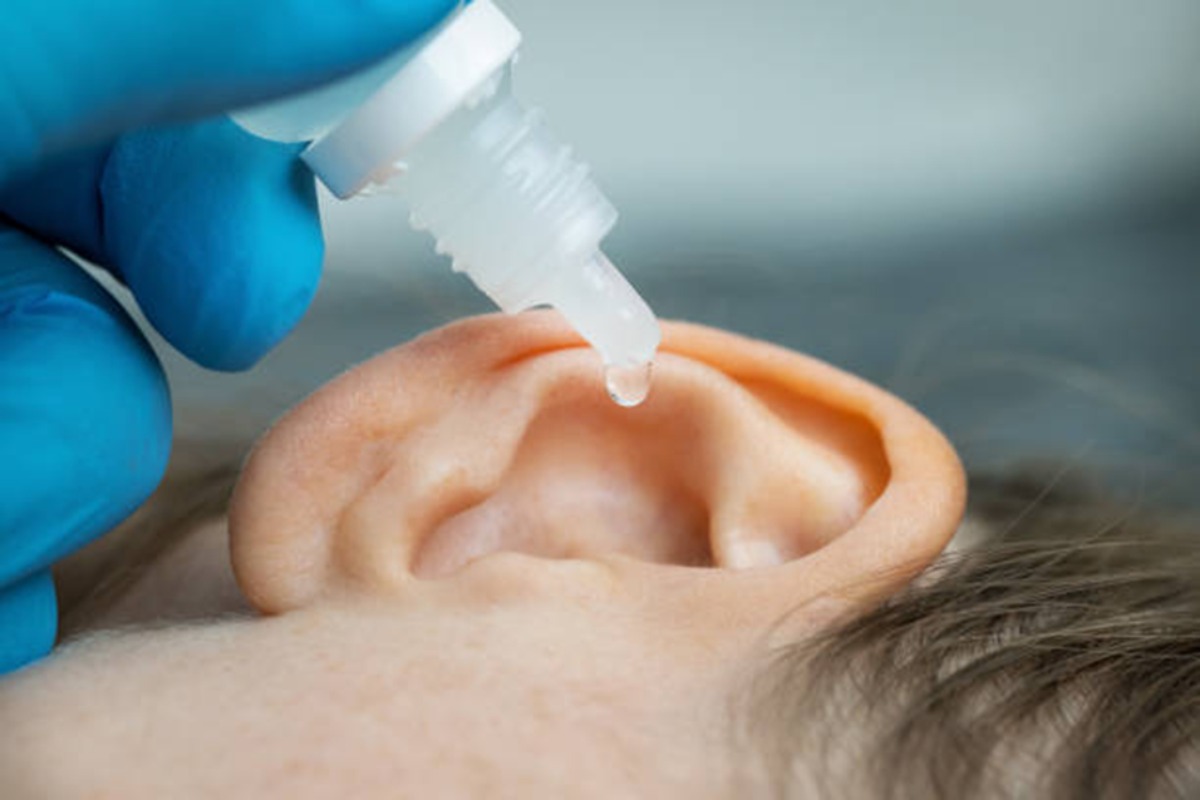
Clean Your Ears: Earwax serves a particular purpose and performs a specific function. Earwax protects, lubricates, and has antibacterial properties. While a buildup of wax can become a problem, a certain amount of earwax is natural, as your ears manufacture it to function correctly. Excessive earwax blocks the ear canal, and the affected ear may be aching, cause dizziness, ringing, coughing, or smell unpleasant.
Dirt, bacteria, and debris can cause infection, resulting in pain and impaired hearing. Hearing aid wearers, seniors, and people with developmental disabilities often have excess earwax. The possibility of cotton swab hearing damage has led more people to seek alternative methods. Let’s look closely at a few gentle and natural ways to clean your ears.
Table of Contents
Saline Water
A standard method of cleaning your ears at home is ear syringing with saline water. A syringe is not necessary to use saline solution. It also softens the accumulated wax, making it easier to remove.
- Warm half a cup of water with a teaspoon of salt
- Stir until the salt dissolves
- A cotton ball is then soaked in this solution. Put some drops in your ear as you lean toward the ceiling
- Hold this position for five minutes
- Let the saline water drain out by turning the head the other way
- Clean the outer ear of the softened wax with a clean cloth
Hydrogen Peroxide
You can also clean your ears at home with hydrogen peroxide. You may experience fizzing or popping sounds as a result of earwax softening. As a result, the earwax will be closer to the surface.
- Hydrogen peroxide and water should be combined equally
- Fill a dropper with this solution
- Place a few drops in the ear and lean to the ceiling
- Take five to 10 minutes to relax. You can also hold this position until you hear no more fizzing
- Let this solution drain out by leaning in the opposite direction
Glycerin
Cleaning your ears at home with glycerin is also effective. Earwax will be easier to remove with glycerin. As the earwax softens, removing and cleaning your ear canal buildup will be easier.
- Keep your affected ear pointed upwards
- Using a dropper, fill your affected ear with glycerin
- In the ear opening, place a cotton ball and let it sit for about five minutes
- Let the liquid drain out of the cotton ball by leaning your head in the opposite direction
- Use a clean cloth to remove the softened wax
Baking Soda
Home remedies for cleaning your ears include making hard earwax soft and removing debris with earwax. Baking soda is one of them. You can gently and naturally clean your ears with baking soda.
- Dissolve 1/4 teaspoons of baking soda in two teaspoons of water thoroughly
- By using a dropper, place three or four drops of this solution in the affected ear
- Wait 10 minutes
- Fill the affected ear with warm water using a rubber-bulb syringe
- Drain your head by leaning to the opposite side
Using cotton swabs to clean your ears can further clog or damage your inner ear. There are other options if you are struggling with earwax buildup that is interfering with your comfort or hearing. Follow these tips to find the best gentle and natural way to remove earwax and clean your ears.
Also Read: What is the use of Monatomic Gold?